

Navigating the steep, rain-soaked streets of Capitol Hill or grinding through stop-and-go tech commutes on Interstate 5 places heavy demands on your vehicle. Routine maintenance is how you preserve the AWD traction and hybrid efficiency you rely on year-round. At Pierre Ford of Seattle, we know exactly what Pacific Northwest driving requires.
Whether you're loading up an SUV for a weekend trip to Mount Rainier or commuting daily from Redmond or Bellevue, professional care matters. Our certified technicians use genuine Ford parts and advanced diagnostics to keep your truck or SUV performing at its peak. Factory-backed service ensures your vehicle stays safe and dependable through unpredictable weather, protecting your investment for the long haul.
Key Takeaways (TL; DR)
For drivers navigating Seattle, Bellevue, Redmond, Kirkland, and Renton, here is a summary of what matters most when servicing your Ford.
- Certified Diagnostics & Digital Records: Ford-specific tools like the Integrated Diagnostic System (IDS) pinpoint issues accurately. Logging your maintenance history digitally also helps preserve your 3-year/36,000-mile New Vehicle Limited Warranty.
- Tailored for the Northwest: Brake and tire inspections are critical for wet, steep commutes through Capitol Hill. Routine checks ensure your AWD system provides maximum traction when the rainy season hits Puget Sound.
- Specialized Ford Expertise: Factory-trained technicians know complex systems inside out, from F-150 towing modules to Mustang Mach-E electric drivetrains. This prevents guesswork and ensures repairs are done right the first time.
- OEM Parts Fitment: Using Motorcraft® components guarantees proper alignment and durability. That means fewer unexpected breakdowns when navigating heavy stop-and-go traffic along Interstate 5.
- Clear Service Standards: Technicians provide upfront estimates and detailed multi-point inspection reports before any wrench is turned. This straightforward transparency ensures you only cover services your truck or SUV actually requires.
- Built Around Your Schedule: Mobile service options, local shuttles, and online booking keep your day moving. Routine maintenance should never force you to cancel an afternoon trip down to Pike Place Market.
What Are the Core Benefits of a Certified Ford Service Center?
Relying on a certified service center means securing precise diagnostics, authentic components, and full warranty compliance. For drivers around Seattle, that translates to lasting capability. Whether you are navigating daily stop-and-go congestion on Interstate 5 or packing up an Explorer for a weekend trip to Mount Rainier, you need performance you can trust. Certified facilities uphold the rigorous standards established by Ford, utilizing proprietary software to update control modules and keeping your 3-year/36,000-mile New Vehicle Limited Warranty completely intact.
- Motorcraft® OEM Parts: Factory-engineered brake pads and filters fit your exact trim. Generic aftermarket components often wear unevenly, but Motorcraft parts ensure consistent, durable stopping power on wet, steep streets.
- Factory-Trained Technicians: Mechanics pass rigorous, ongoing brand modules covering specific engineering, from the F-150's 10-speed automatic transmission to complex hybrid battery systems.
- Advanced Diagnostic Tools: Certified bays utilize exclusive Integrated Diagnostic System (IDS) and FDRS software to pinpoint intricate electronic issues long before they trigger a check engine light.
- FordPass® Rewards Integration: Every qualifying maintenance visit earns points that you can apply toward future brake jobs, wiper blades, or even your next scheduled 30,000-mile fluid flush.
- Official Service Records: Each repair gets logged directly into the national database, automatically streamlining any future warranty claims and supporting a higher resale value down the road.
Uncertified shops near the University District risk using aftermarket components or incorrect fluid specs, potentially voiding warranties and compromising your vehicle's reliability on steep city hills.
Certified vs. Non-Certified: What Is the Real Difference?

The real difference between certified and non-certified service comes down to specialized training and exact diagnostic tools. If you commute on Interstate 5 or navigate the steep, wet streets of Capitol Hill, trusting a certified technician ensures your Ford's advanced AWD and safety systems are properly calibrated.
While an independent mechanic might handle basic oil changes, only an authorized facility has direct access to OEM parts and software updates directly from Ford. As noted by experts at Edmunds, utilizing certified service protects your factory warranty. It guarantees that complex components-like hybrid powertrains and Co-Pilot360™ sensors-perform reliably in unpredictable Pacific Northwest weather.
What Does "Ford-Certified" Actually Mean?
When a facility is Ford-Certified, it means they meet strict factory benchmarks for personnel, parts, and tools. This guarantees your vehicle remains prepared for Seattle's unpredictable weather and frequent stop-and-go traffic on I-5.
- Continuous Factory Training: Mechanics undergo rigorous Ford education, ensuring they understand the advanced hybrid systems in an Escape or the high-output engines powering your F-150.
- Genuine Ford Parts: We use only Original Equipment Manufacturer (OEM) components, such as Motorcraft® brake pads, which deliver dependable stopping power for steep descents around Capitol Hill.
- Specialized Diagnostic Tools: Our bays feature exclusive factory software to access precise Technical Service Bulletins (TSBs), eliminating guesswork from complex electrical or AWD system diagnostics.
- Strict Warranty Compliance: Every service visit is meticulously logged to keep your 3-year/36,000-mile New Vehicle Limited Warranty or Ford Protect Extended Service Plan entirely intact.
- Elevated Customer Care: Satisfaction metrics are closely monitored to ensure that every driver commuting from Renton or Bellevue experiences the trusted, Built Ford Tough standard of service.
What Key Services Should a Top Ford Service Department Offer?
A top-tier Ford service department should provide everything from routine 7,500-mile Motorcraft® oil changes to complex high-voltage battery diagnostics for hybrid models. What this means for Seattle drivers is that whether you are crawling through heavy congestion on Interstate 5 or hauling gear out to Mount Rainier, your vehicle will maintain the exact factory specifications required for reliable performance. By strictly following Ford engineering guidelines, certified technicians ensure your SUV or truck is prepared for unpredictable weather and steep urban terrain. Here are the essential services you should expect from a leading service center:
- Routine Fluid & Tire Management: Standard intervals typically require oil changes every 7,500 to 10,000 miles using synthetic blends, paired with tire rotations to combat uneven tread wear caused by winding city streets.
- Brake System Overhauls: Complete pad, rotor, and caliper inspections provide the crucial stopping power needed when descending wet grades around Capitol Hill or navigating sudden halts near Pike Place Market.
- EV and Hybrid Diagnostics: Specialized care for the F-150 Lightning or Escape Hybrid involves high-voltage coolant exchanges and thermal management checks to preserve battery range during chilly winter commutes.
- Engine & Transmission Repairs: Advanced troubleshooting and hardware replacements utilizing precise OEM components, covering everything from exchanging 10-speed automatic transmission fluid to addressing EcoBoost® turbocharger maintenance.
- Co-Pilot360™ Calibrations: Precision realignments for lane-keeping cameras and blind-spot sensors, ensuring driver-assist features read the road accurately even during heavy Puget Sound downpours.
- Suspension Tuning: Correcting alignment geometry after hitting seasonal potholes preserves tire life and keeps your steering firmly centered.
- Recall & Software Management: Automatic system checks cross-reference manufacturer bulletins and NHTSA safety data to apply essential mechanical updates or system flashes.
Express service bays tackle rapid routine maintenance like fluid top-offs and wiper replacements, getting you back on the road fast without scheduling an appointment.
Does a Dealership's Technology Give It an Advantage?
Absolutely. Today's trucks and SUVs operate more like advanced digital networks than traditional machines, meaning specialized facility technology is a definitive advantage. When you visit a certified service center, technicians plug directly into the proprietary Ford Diagnostic & Repair System (FDRS). This software communicates with every internal module, pulling granular data that generic OBD-II scanners at independent shops completely overlook. What this means for Seattle drivers is that intricate setups-such as the radar sensors guiding your Ford Co-Pilot360 active safety suite-are calibrated with pinpoint accuracy, ensuring they respond properly to sudden braking on Interstate 5 or tight parking situations in South Lake Union.
Beyond finding the root cause of a mechanical issue, this digital infrastructure streamlines your ownership experience and protects your investment. Factory-level data integration ensures that every software patch and maintenance milestone is logged in the official Ford database, automatically reinforcing your vehicle's warranty status and bolstering future resale value. Because an F-150 PowerBoost Hybrid manages thousands of electrical data points per second, relying on OEM software ensures high-voltage battery health is verified with exact metrics rather than educated guesses. Add in the convenience of real-time text updates and seamless online scheduling, and you get a service process that gets you back out exploring Mount Rainier or navigating the historic streets of Pioneer Square without missing a beat.
Comparison: Certified Ford Service vs. Independent Repair Shops
Deciding where to maintain your Ford F-150 or Escape often comes down to specialized expertise versus general repair knowledge. If you regularly navigate the steep, rain-slicked inclines of Capitol Hill or sit in heavy stop-and-go congestion along Interstate 5, precise vehicle maintenance is critical for safety and efficiency. Certified Ford service centers exclusively use exact-fit Motorcraft® parts and proprietary tools like the Ford Integrated Diagnostic System (IDS). This direct OEM connection ensures complex electrical or powertrain issues are resolved accurately, keeping your 3-year/36,000-mile New Vehicle Limited Warranty intact, whereas independent mechanics typically rely on multi-brand scanners and aftermarket components.
| Service Criteria | Certified Ford Dealership | Independent Mechanic |
|---|---|---|
| Technician Expertise | Factory-trained via the Ford STAR program | Broad, non-specialized automotive background |
| Components Installed | Genuine Ford and Motorcraft® parts | Aftermarket, third-party, or salvaged parts |
| Warranty Coverage | Authorized repairs maintain factory protection | Potential coverage risks if aftermarket parts fail |
| Diagnostic Equipment | Ford Integrated Diagnostic System (IDS) | Standard, multi-brand OBD-II code readers |
| Software & Recalls | Direct access to Ford TSBs and module updates | Rarely equipped for direct OEM software flashes |
Why Does Driving in Washington Require Special Attention?
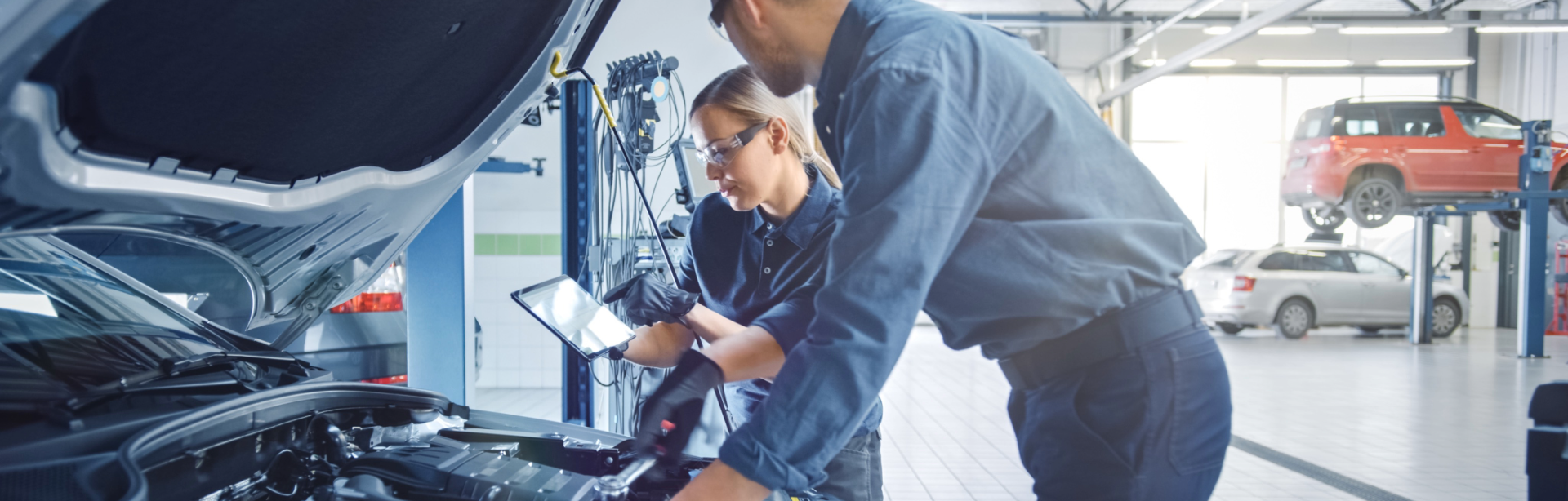
Driving in Washington demands attention because our mix of relentless rain, steep urban hills, and heavy I-5 congestion stresses your vehicle. Fortunately, the Ford lineup is engineered to handle these Pacific Northwest extremes.
- Stop-and-go I-5 congestion: Crawling through downtown traffic for your daily commute puts immense wear on brake pads and transmission fluid. In models like the Ford Maverick Hybrid, routine brake inspections ensure the regenerative braking system keeps converting that friction into battery power efficiently rather than grinding down rotors.
- Navigating rain-soaked inclines: Neighborhoods like Capitol Hill are notorious for steep, slick roads during our year-round drizzle. Maintaining proper tire tread depth and having your Intelligent 4WD system checked-a key feature on the Bronco Sport-means you will not lose your grip at a slippery four-way stop.
- Weekend escapes to Mount Rainier: Hauling gear over uneven, winding passes outside Issaquah or Woodinville demands a perfectly aligned suspension. Hitting hidden potholes on mountain routes can knock a Ford Explorer out of alignment, causing premature tire wear and reducing steering response when navigating switchbacks.
- Filtering maritime moisture and pollen: The damp climate near Puget Sound creates a breeding ground for mildew in your A/C system, while heavy spring tree pollen clogs cabin air filters. Replacing this filter every 15,000 miles keeps the cabin air fresh and prevents your defroster from struggling to clear a foggy windshield.
- Battery drain from temperature swings: While lowland temperatures remain mild, driving up to the snowy Cascades can instantly sap a weak battery's cold cranking amps. Testing your battery's voltage takes just two minutes during a service visit, but paying for a tow out of the mountains could easily cost hundreds of dollars.
How Can You Get the Most Out of Your Service Appointment?
You maximize your service visit by communicating precise vehicle symptoms, preparing your cabin for technicians, and bringing essential hardware. For Seattle drivers commuting through heavy Interstate 5 congestion or navigating the steep, rain-slicked grades in Capitol Hill, ensuring your Ford F-150 or Explorer is accurately diagnosed the first time means staying safe and preventing costly return visits. A quick five-minute prep before handing over the keys often saves our technicians 15 to 20 minutes in the bay, getting you back to your routine much faster.
- Document the specific symptoms: Instead of simply stating the car makes a noise, note the exact conditions. For example, mention if your brakes squeak exclusively when heading downhill toward Pike Place Market or if the steering vibrates only above 50 mph.
- Locate your wheel lock key: If your Ford Bronco is equipped with locking lug nuts, place the key adapter directly in the center console before a tire rotation or brake pad swap so technicians do not have to dig through your glovebox.
- Clear out cargo and personal items: Empty the trunk and rear seats of your vehicle. Mechanics frequently need unhindered access to interior fuse boxes, rear suspension mounts, or the spare tire well during comprehensive multipoint inspections.
- Track active dashboard alerts: If the Check Engine light activates, record whether it is solid or flashing and what you were doing when it triggered. We use advanced diagnostic tools to pull stored OBD-II codes, but your contextual clues narrow down the root cause faster.
- Review your mileage milestones: Know your current odometer reading and check it against Ford's recommended service schedule. If your Ford Escape is approaching the 30,000-mile mark, you can easily bundle a required engine air filter replacement or brake fluid flush into the same visit.
What Are the Signs of a Trustworthy Ford Service Department?
Look for transparency, factory-trained technicians, and genuine parts direct from Ford. When tackling slick Puget Sound rain or steep Capitol Hill commutes, a trustworthy team provides clear repair documentation and reliable expertise you can count on.
How Do You Know If a Service Center Is Reputable?
A trustworthy maintenance facility stands out by offering factory-backed expertise, transparent pricing, and amenities that genuinely respect your time. For drivers navigating the daily grind on Interstate 5 or packing up an SUV for a weekend run to Mount Rainier, finding a reliable shop means fewer headaches and better long-term performance from your Ford.
- Factory-Trained Technicians: Elite shops employ Ford Senior Master Technicians who understand the exact tolerances and software updates required for modern gas, hybrid, and electric powertrains.
- Itemized Cost Breakdowns: You should always receive a clear, written estimate that separates labor from genuine Motorcraft® parts costs before any work begins.
- Official Maintenance Logging: Every fluid exchange or brake inspection must be recorded in Ford's national service database, which helps protect your 3-year/36,000-mile New Vehicle Limited Warranty and preserves resale value.
- Modern Convenience: A premier department keeps your life moving with digital text updates, flexible online scheduling, and shuttle options to nearby hubs like South Lake Union while your vehicle is in the bay.
- Consistent Peer Reviews: Look for a track record of local drivers praising the shop's honest communication, accurate repair timelines, and durable results rather than just fast turnaround times.
What Ford Drivers Say Matters Most
For those navigating the busy Mercer Corridor or commuting across Lake Washington, what matters most is minimizing downtime and keeping communication straightforward. Whether bringing in a Ford Escape Hybrid for its 10,000-mile synthetic oil change or having brake pads inspected after repeatedly tackling Capitol Hill's steep inclines, knowing exactly what is happening under the hood ensures you never have to guess about timelines or repair costs.
- Real-time FordPass updates: Track your service status directly from your smartphone while grabbing lunch near Pike Place Market, receiving instant alerts the moment your vehicle is ready.
- Flexible scheduling options: Early-bird drop-offs and Saturday availability mean routine fluid exchanges will not disrupt a busy workweek commute down I-5.
- Visual part inspections: Service advisors provide video walkthroughs or physically show you worn components, explaining exactly why your F-150 might require a specific Motorcraft® replacement part.
- Upfront diagnostic breakdowns: You receive clear, itemized estimates before any wrench is turned, completely eliminating surprise fees on the final invoice.
What Service Red Flags Should You Avoid?
Trusting your vehicle to a mechanic shouldn't feel like a gamble, especially when you rely on your truck or SUV to tackle the steep inclines of Capitol Hill or the rain-slicked lanes of Interstate 5. A trustworthy shop will always be transparent about their methods, materials, and pricing. If you are comparing local garages to the certified engineering standards set by Ford, watch out for these distinct warning signs that indicate you should grab your keys and find another service center.
- Generic, lump-sum estimates: If an invoice simply says "transmission service" without listing the exact fluid-such as Motorcraft MERCON ULV-you have a problem. Without line-by-line pricing for parts and labor, you cannot verify if they are using the correct materials required to keep your vehicle shifting smoothly on your South Lake Union commute.
- Missing specialized diagnostic tools: Modern EcoBoost engines and hybrid powertrains require specific software, like the Ford Diagnostic & Repair System (FDRS). A shop relying solely on universal, aftermarket OBD-II scanners might miss critical module updates, leading to reduced fuel efficiency during heavy stop-and-go traffic.
- Aggressive upselling without proof: Technicians shouldn't pressure you into a $300 fuel system flush just because your odometer hit 30,000 miles. A reputable mechanic will physically show you the degraded part or dirty fluid before recommending any work outside the factory maintenance schedule.
- Refusal to show replaced components: If you just paid for a new set of OEM brake rotors after warping your old ones on Seattle's steep streets, you have the right to inspect the damaged parts. A garage that quickly throws them in the dumpster before you can look is a classic sign of unnecessary repairs.
What Questions Should I Ask a Ford Service Manager?

When handing over your keys, asking the right questions-specifically about diagnostic software, technician credentials, and factory-backed warranties-protects both your wallet and your vehicle's performance. Knowing exactly who is turning wrenches on your truck or SUV and what hardware they install is crucial for handling the steep, rain-slicked streets of Capitol Hill or navigating dense traffic on Interstate 5. For example, trusting a generic shop with your Explorer's complex AWD system might save a few bucks upfront, but a certified center using exact factory specs prevents long-term headaches. Here is what you should always ask before authorizing work.
Are your technicians Ford-certified?
Factory training, especially reaching Ford Senior Master Technician status, guarantees the mechanics understand modern hybrid powertrains and heavy-duty truck systems. That specialized knowledge translates to accurate, efficient repairs the first time around.
Do you install Motorcraft® or genuine Ford parts?
Using original equipment manufacturer (OEM) components ensures your vehicle maintains its factory warranty and Built Ford Tough durability. These components are engineered specifically for your exact model, unlike generic aftermarket alternatives that might fail prematurely under heavy loads.
What diagnostic software do you use?
The shop should be running Ford's Integrated Diagnostic System (IDS) or the newer Ford Diagnostic and Repair System (FDRS) to pull deep module data. Generic code readers often miss the nuanced sensor calibrations required for advanced driver-assist safety features.
Will I receive a written, itemized estimate before work begins?
A detailed quote breaks down hourly labor rates, shop fees, and exact part costs so you never face surprise charges at checkout. This level of transparency gives you total control over what gets fixed today and what can wait.
How long will the service take, and are loaner vehicles available?
Clarifying the timeline and transportation options keeps your daily routine intact, whether you are commuting to South Lake Union or running errands in the University District. Many dedicated service centers offer courtesy shuttles or rental SUVs to minimize disruptions to your schedule.
Will this maintenance be recorded in my official service history?
Centralized, factory-linked records document every fluid flush and brake job, which protects your eligibility for extended warranty claims. A well-documented history also significantly boosts the resale value when it eventually comes time to upgrade your vehicle.
What warranty covers the parts and labor?
Quality repairs usually come backed by a robust standard guarantee, such as Ford's 24-month/unlimited-mile warranty on Motorcraft® parts and the labor to install them. Always ask for this specific coverage in writing so you can drive away with absolute confidence.
Quick Checklist Before You Commit
Before you hand over the keys to your F-150 or Explorer, running through a quick pre-service checklist ensures you get the exact care your vehicle needs without unexpected costs. Knowing what to ask helps verify a shop's capability, which is crucial when you rely on your vehicle for daily stop-and-go commutes down Interstate 5 or weekend hauls up to Mount Rainier.
- Ford-Certified Credentials: Ensure the mechanics hold up-to-date Senior Master certifications, which is especially important if you drive a complex hybrid model through tech-heavy corridors like South Lake Union.
- Motorcraft® and OEM Components: Confirm the facility installs genuine Ford parts rather than aftermarket substitutes, guaranteeing the exact fit and durability engineered for your truck or SUV.
- Factory-Level Diagnostics: Ask if the shop uses the Ford Diagnostic & Repair System (FDRS) to pull precise trouble codes; pinpointing the exact issue immediately can save hundreds in wasted diagnostic hours.
- Detailed Written Estimates: Request a clear upfront breakdown of labor and parts so you know exactly what a 30,000-mile interval service actually costs before a wrench is turned.
- Standard Parts Warranty: Check that any replaced component comes backed by Ford's Service Parts Warranty, which generally covers 24 months with unlimited mileage.
- Official Maintenance Logging: Make sure your visit is recorded in the central Ford database, a vital step to protect active coverages like a Gold Certified 7-year/100,000-mile Powertrain Limited Warranty.
- Alternative Transportation: Inquire about complimentary shuttle rides or loaner vehicles to keep your day moving if you need to commute over to Bellevue while your car is in the bay.
- Transparent Communication: Skim recent independent reviews to verify the service advisors are known for communicating clearly about delays or unearthing hidden issues.
Frequently Asked Questions (FAQs)
How does Pierre Ford of Seattle ensure fair and transparent pricing for repairs?
Guided by our Golden Rule philosophy, Pierre Ford of Seattle focuses on honest relationships and professional service. Our knowledgeable parts and service team will walk you through all pricing details to ensure long-term customer satisfaction across Seattle neighborhoods like Capitol Hill.
How does Pierre Ford of Seattle ensure clear communication during your service visit?
Drawing on nearly eight decades of automotive experience since Bill Pierre Sr. founded the group in 1947, our staff treats every customer like family. Pierre Ford of Seattle provides knowledgeable support throughout your entire service experience to keep your vehicle ready for wet commutes on Interstate 5.
How does Pierre Ford of Seattle handle customer feedback and service requests?
The Pierre Ford of Seattle team is dedicated to providing trusted automotive support and treats every customer like family. By focusing on our Golden Rule philosophy and long-term customer satisfaction, we ensure your dependable Ford vehicle remains prepared for weekend trips to Lake Washington.
How does the knowledgeable team at Pierre Ford of Seattle guide customers through the service process?
Pierre Ford of Seattle specializes in offering knowledgeable support throughout the sales, financing, parts, and service experience. Our team focuses on honest relationships and professional service to help drivers from Kenmore to Kirkland properly maintain their reliable Ford vehicles.
What is the history behind Pierre Ford of Seattle?
As part of the family-owned Pierre Auto Group founded by Bill Pierre Sr. in 1947, Pierre Ford of Seattle brings nearly eight decades of automotive experience to the region. We continue this longstanding tradition by helping local drivers find the right new or pre-owned Ford for navigating the University District and beyond.
Which local communities does Pierre Ford of Seattle serve?
Pierre Ford of Seattle proudly serves drivers throughout Seattle, Bothell, Kenmore, Kirkland, and Lynnwood with exceptional customer care. We remain dedicated to helping our surrounding communities enjoy dependable Ford vehicles whether they are heading to Puget Sound or handling daily city traffic.
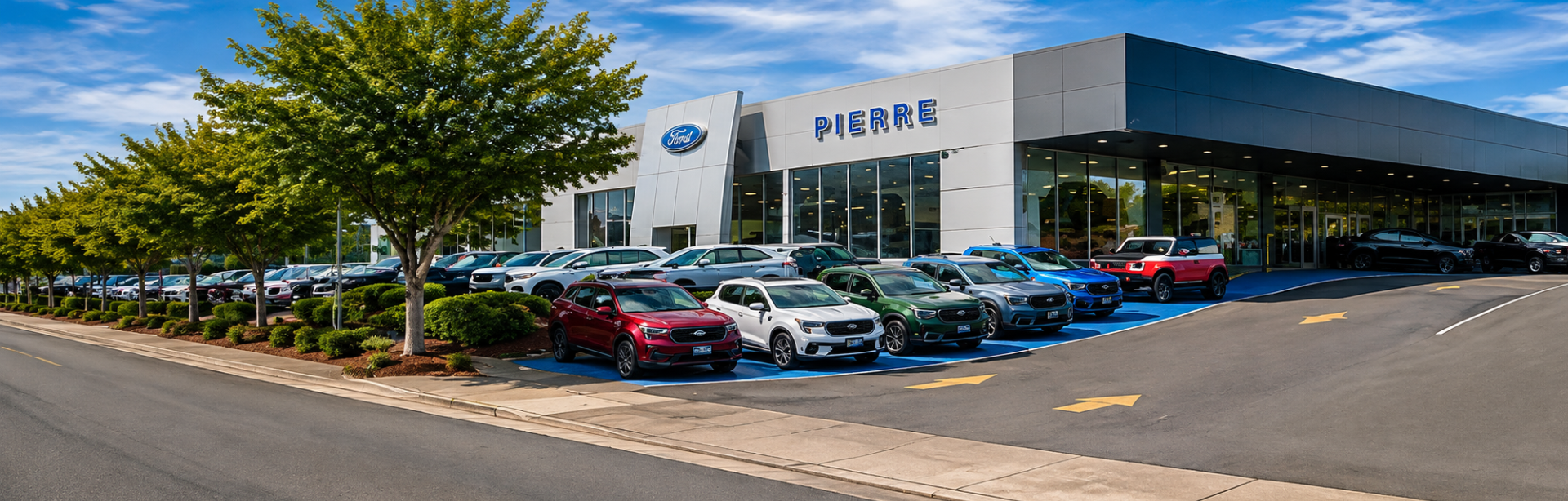
About Pierre Ford of Seattle
At Pierre Ford of Seattle, we proudly serve drivers throughout Seattle, Bothell, Kenmore, Kirkland, Lynnwood, and the surrounding communities with a commitment to quality vehicles and exceptional customer care. As part of the family-owned Pierre Auto Group, founded by Bill Pierre Sr. in 1947, we bring nearly eight decades of automotive experience and a longstanding tradition of treating every customer like family. Our team specializes in helping drivers find the right new or pre-owned Ford, with knowledgeable support throughout the sales, financing, parts, and service experience. Guided by our Golden Rule philosophy, we focus on honest relationships, professional service, and long-term customer satisfaction. We remain dedicated to the Seattle community and to helping local drivers enjoy dependable Ford vehicles and trusted automotive support for years to come.Related Articles:
Finding the Right Ford Dealer in Seattle, WA: A Comprehensive Guide